


Energy and Utilities • Mobile Application


From mobile strategy and proof-of-concept through production deployment and ongoing optimization, we deliver the complete spectrum of mobile app development solutions tailored to your users, your domain, and your enterprise ecosystem.

We design and build bespoke mobile applications that address your specific business challenges, user needs, and competitive opportunities. Our custom mobile application development services cover the full product lifecycle: discovery and requirements definition, UX strategy and design, native or cross-platform engineering, backend API development, third-party integrations, QA and testing, app store submission, and post-launch Optimization. From consumer-facing applications requiring delightful UX to mission-critical internal tools requiring operational resilience, every solution we ship is purpose-built for your context not adapted from a template.

We design and build cross-platform app development solutions enabling organizations to reach iOS and Android users from a single, maintainable codebase without sacrificing native-grade performance or user experience. Our hybrid mobile app development includes Ionic and Capacitor for applications where web technology integration is a primary requirement. We select the right cross-platform technology and approach based on your performance requirements, team skills, release cadence, and long-term maintenance strategy. Every solution is built with native module bridges where performance-critical features demand them.

We build enterprise mobile app development solutions that integrate deeply with your existing ERP, CRM, identity management, and data infrastructure delivering the security, compliance, and scalability that enterprise deployments demand. Our enterprise mobile practice covers MDM integration, enterprise SSO and federated identity, offline-first architecture for field operations, push notification infrastructure at scale, and end-to-end mobile DevSecOps. We have delivered enterprise mobile platforms for global organizations operating in regulated industries where security, auditability, and operational continuity are non-negotiable requirements.

Build intelligent mobile experiences that go beyond traditional applications. We develop AI-powered mobile apps that leverage Generative AI, machine learning, predictive analytics, computer vision, recommendation engines, voice assistants, and intelligent automation to deliver personalized, data-driven user experiences. From healthcare and retail to finance, logistics, and enterprise mobility, our solutions help organizations enhance engagement, automate workflows, improve decision-making, and unlock new revenue opportunities through intelligent mobile innovation.

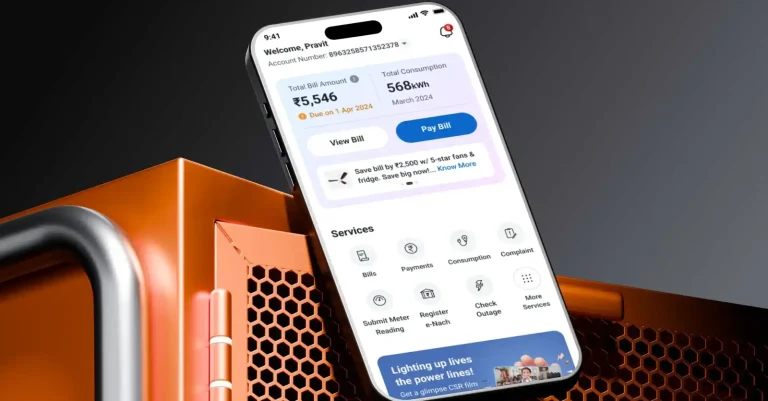
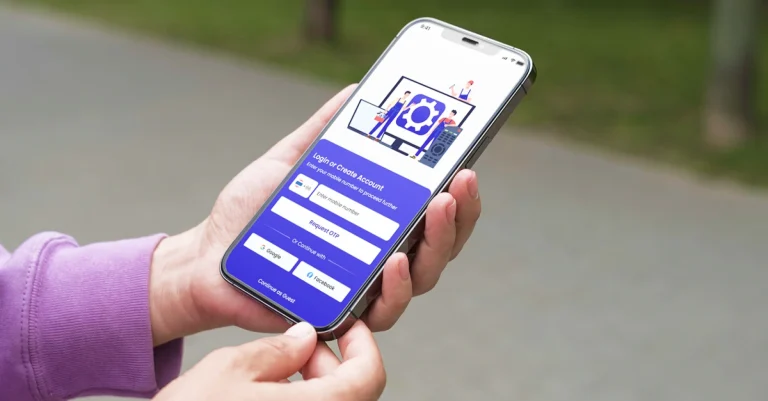
Mobile development requires genuine domain knowledge. We bring industry-specific expertise, regulatory fluency, and domain vocabulary depth to every mobile engagement. Our mobile app developers work alongside your subject matter experts throughout discovery, design, and QA.
 Healthcare and Life Sciences
HIPAA-compliant clinical mobile apps, patient engagement platforms, EHR mobile integration via HL7/FHIR, telehealth applications, clinical workflow tools, and wearable device connectivity. Live deployment: AI-powered clinical platform for a U.S. neurological diagnostics provider.

 Financial Services and Insurance
Mobile banking applications, credit operations tools, insurance claims mobile apps, investment platforms, SEC/FCA-aligned compliance architecture, and PSD2/Open Banking integration. Live deployment: domain-adapted AI mobile platform for a leading financial lender.

 Retail and E-Commerce
Consumer shopping applications, AI-powered personalization, loyalty platforms, AR try-on experiences, mobile POS systems, inventory management tools, and omnichannel customer journey integration.

 Education and EdTech
Personalized learning applications, AI-powered student support platforms, LMS mobile integration, assessment delivery tools, multilingual content, and engagement analytics. Live deployment: domain-adapted AI mobile assistant for Australia’s leading EdTech institution.

 Manufacturing and Industrial
Field service mobile applications, IoT device control interfaces, quality inspection tools, maintenance workflow apps, AR-assisted repair guidance, and MES/SCADA mobile integration for shop floor connectivity.

 Logistics and Transportation
Driver and fleet management apps, last-mile delivery platforms, warehouse scanning tools, real-time shipment tracking, proof-of-delivery capture, and supply chain visibility dashboards for operations teams.

 Government and Public Sector
Citizen-facing mobile service applications, internal government workflow tools, accessible mobile design for diverse user populations, data sovereignty compliance, and government security framework alignment.

Our mobile engineering team combines deep expertise across native iOS, native android, open source android system and firmware development, cross-platform frameworks, AI integration, mobile DevSecOps, and enterprise system integration delivering mobile application development services across the full technical stack.


Swift, SwiftUI, Objective-C, Xcode, TestFlight, Apple HIG, HealthKit, ARKit, CoreML, Apple Pay, Sign in with Apple, App Clips, iOS background modes.


Kotlin, Jetpack Compose, Android Studio, Google Play, Material Design 3, Google Maps SDK, Firebase, Android Jetpack, WorkManager, Foreground Services, AOSP, Android System Apps, Android Firmware.


React Native (iOS + Android), Flutter (iOS + Android + Web), .NET MAUI, KMM, Ionic + Capacitor, Expo, shared component libraries, native module bridging.


CoreML, TensorFlow Lite, ONNX Runtime Mobile, OpenAI API, LangChain mobile, on-device inference, NLP chatbots, biometric AI, predictive analytics SDKs.


Figma, user research, information architecture, interaction design, Apple HIG, Material Design 3, accessibility (WCAG 2.1), design systems, usability testing.


RESTful APIs, GraphQL, OAuth 2.0 + OIDC, SAML SSO, SAP, Salesforce, Dynamics 365, HL7/FHIR, MQTT, WebSocket, offline-first sync, MDM integration.


HIPAA-compliant mobile architecture, OWASP Mobile Top 10, certificate pinning, jailbreak/root detection, biometric auth, MDM (Intune, Jamf), PHI handling, GDPR.


Fastlane, GitHub Actions, Bitrise, Appium, XCTest, Espresso, Detox, Firebase Test Lab, CodePush OTA updates, crash analytics, A/B testing, performance monitoring.
Years of Engineering Experience
Projects Deployed to Production
Global Clients Across 21 Countries
Offices Across the Globe
Every mobile application development engagement follows a structured six-phase methodology refined across 25+ years of enterprise software delivery and designed to address the specific failure modes of mobile programs: inadequate discovery, underestimated integration complexity, and under-resourced post-launch operations.
PHASE 01

PHASE 02

PHASE 03
PHASE 04
PHASE 05
PHASE 06

Tell us about the mobile experience you need to build, the users you need to reach, and the enterprise systems you need to connect.
Mobile application development services are end-to-end technology offerings covering the full lifecycle of designing, building, launching, and maintaining mobile software for iOS, Android, and cross-platform environments. These services span product discovery and requirements definition, UX and interaction design, native or cross-platform engineering, AI feature integration, backend API development, enterprise system connectivity, QA and security testing, app store submission, and post-launch DevOps. Our mobile application development services are backed by 25+ years of enterprise software engineering experience and live production deployments across healthcare, financial services, education, retail, and manufacturing.
The cost of mobile app development depends on scope, platform choice (native iOS, native Android, cross-platform), design complexity, AI feature requirements, backend infrastructure, third-party integrations, and the regulatory compliance requirements of your industry. A focused MVP for a single platform with a well-defined feature set typically starts in the range of $50,000–$150,000. A full-scale enterprise mobile platform covering both platforms, AI integration, enterprise system connectivity, and managed DevOps runs considerably more. Every engagement starts with a scoping conversation with a senior mobile architect who will give you an honest estimate — and tell you where a lighter-weight approach may achieve the same outcome at lower cost.
A focused MVP covering core features on a single platform typically reaches the app store in 12–18 weeks end-to-end, including discovery, design, engineering, QA, and submission. A full-scale enterprise mobile application covering both iOS and Android, AI feature integration, enterprise system connectivity, and rigorous security testing typically requires 24–40 weeks. We also offer a focused 8–10 week Mobile Sprint for organisations that need a production-ready MVP against a single high-priority use case within a compressed timeline. We will tell you the realistic timeline for your specific scope at the scoping call — not an optimistic estimate designed to win the work.
We recommend evaluating any mobile app development company against the following criteria: a verified production deployment track record (not just portfolio mockups — ask for case studies with named clients, specific outcomes, and independently verifiable metrics); technical depth across your specific platform and integration requirements; domain expertise in your industry; end-to-end delivery capability from UX design through engineering and managed operations; security and compliance credentials relevant to your regulatory environment; and transparent project scoping with honest cost and timeline estimates. Evaluating mobile app development companies on these criteria — rather than on portfolio aesthetics or hourly rate — dramatically improves the probability of a successful production deployment.
Custom mobile app development vs ready-made apps is one of the most important decisions an organisation will make before committing to mobile investment. Ready-made apps (white-label solutions, configurable SaaS mobile platforms, low-code mobile tools) offer faster time-to-market and lower initial cost — but constrain your UX, limit your integration options, expose you to vendor lock-in, and prevent you from building the proprietary mobile capabilities that create competitive differentiation. Custom mobile app development requires more initial investment but delivers full control over UX, architecture, data, and AI integration — and compounds in value as your organisation builds on the platform over time. We always recommend the right approach for your specific requirements, including when a ready-made solution is the better answer.
Native development means building separate applications for iOS (Swift/SwiftUI) and Android (Kotlin/Jetpack Compose) — each using the platform’s own development tools, UI components, and system APIs. Hybrid mobile app development uses web technologies (HTML, CSS, JavaScript) wrapped in a native shell via frameworks like Ionic and Capacitor. Cross-platform development (React Native, Flutter) sits between these: a shared codebase that compiles to native-quality UI components on each platform. Native delivers the best performance and deepest platform integration but requires separate codebases. Hybrid is fastest to build but typically delivers a less native-feeling experience. Cross-platform is the right choice for most enterprise use cases: near-native performance, shared codebase, and lower long-term maintenance cost. We recommend the right approach for your specific performance, timeline, and maintenance requirements.
When you hire mobile app developers from us, you get access to senior mobile engineers with hands-on production deployment experience across native iOS, native Android, cross-platform frameworks, AI integration, and enterprise system connectivity — not junior developers managed remotely with limited accountability. Our mobile app developers work within a structured delivery framework: dedicated project management, weekly sprint reviews, transparent progress tracking, and a senior mobile architect accountable for technical quality throughout. Engagements can be structured as full project delivery, team augmentation, or managed mobile DevOps — scaled to your requirements. All engagements are backed by our ISO 27001-certified security framework and CMMI Level 3 delivery process maturity.
Yes. Enterprise integration is core to how we build mobile applications — a mobile app that cannot reach your systems of record or trigger downstream business processes is of limited operational value. We have integrated mobile applications with SAP, Oracle, Microsoft Dynamics 365, Salesforce, Workday, healthcare HL7/FHIR systems, banking core platforms, LMS platforms, and custom internal data sources via RESTful APIs, GraphQL, WebSocket, MQTT, and event-driven microservices. Your data stays in your systems of record; the mobile layer adds an intelligent, accessible, real-time decision and action point on top.
Mobile security is a foundational design requirement in every enterprise mobile app we build, not a feature added at the end. Our security practice covers OWASP Mobile Top 10 threat mitigation, certificate pinning, jailbreak and root detection, biometric authentication integration, encrypted local storage, secure API authentication (OAuth 2.0, OIDC), MDM integration (Intune, Jamf, VMware Workspace ONE), HIPAA-compliant data handling for healthcare applications, and PCI DSS alignment for payment-handling applications. We produce a security architecture document for every enterprise mobile engagement and conduct OWASP-aligned security testing before any production deployment. Our ISO 27001-certified delivery environment ensures the development process itself meets enterprise security standards.

What Happens Next?
 100% Confidential. NDA available on request.Response within 4 business hours.No obligation to get started.
Share Your Requirements

Your information is secure and never shared with third parties.

Thank You!
We will contact you within four business hours. In the meantime, feel free to explore our case studies or read our latest Insights.


